History
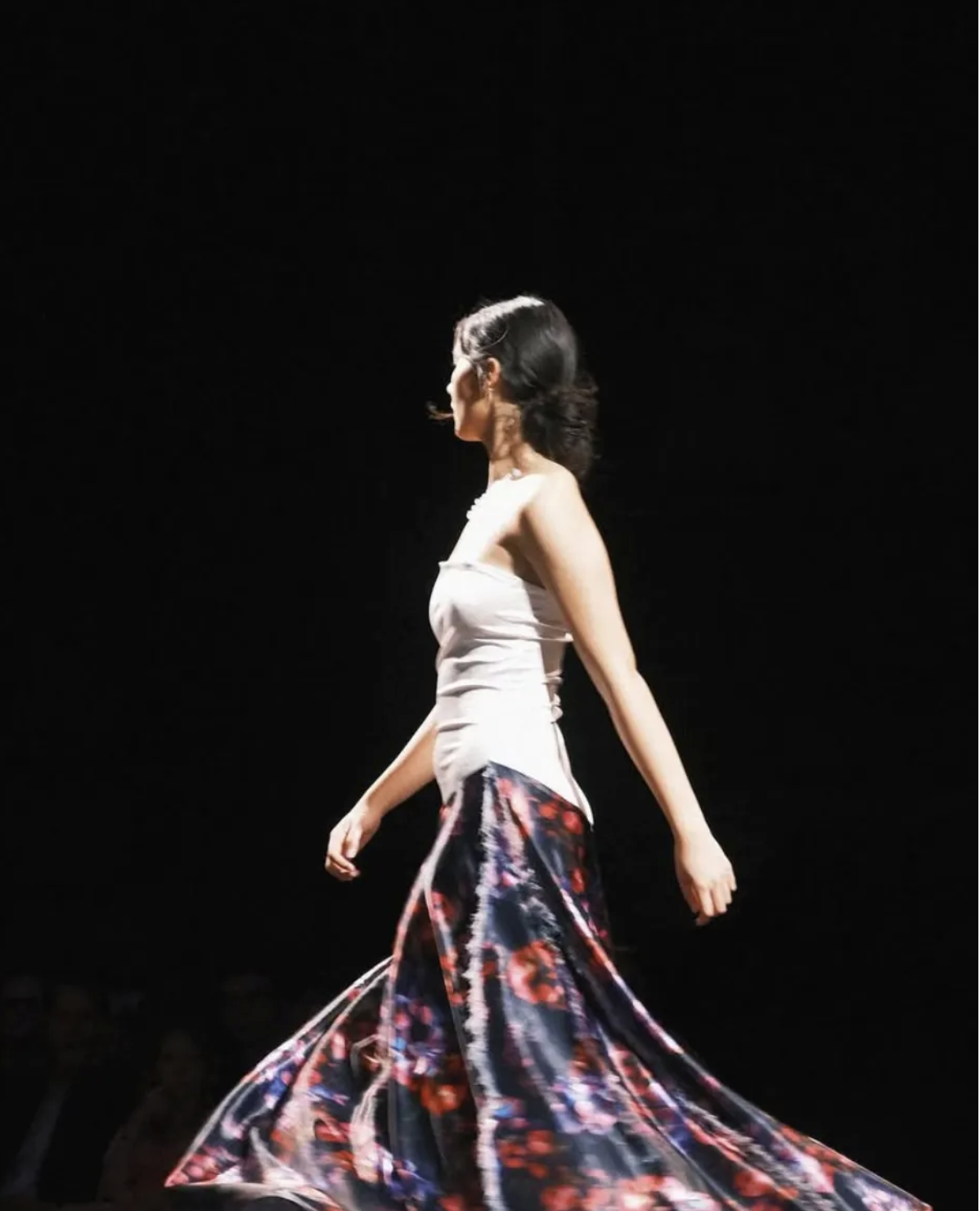
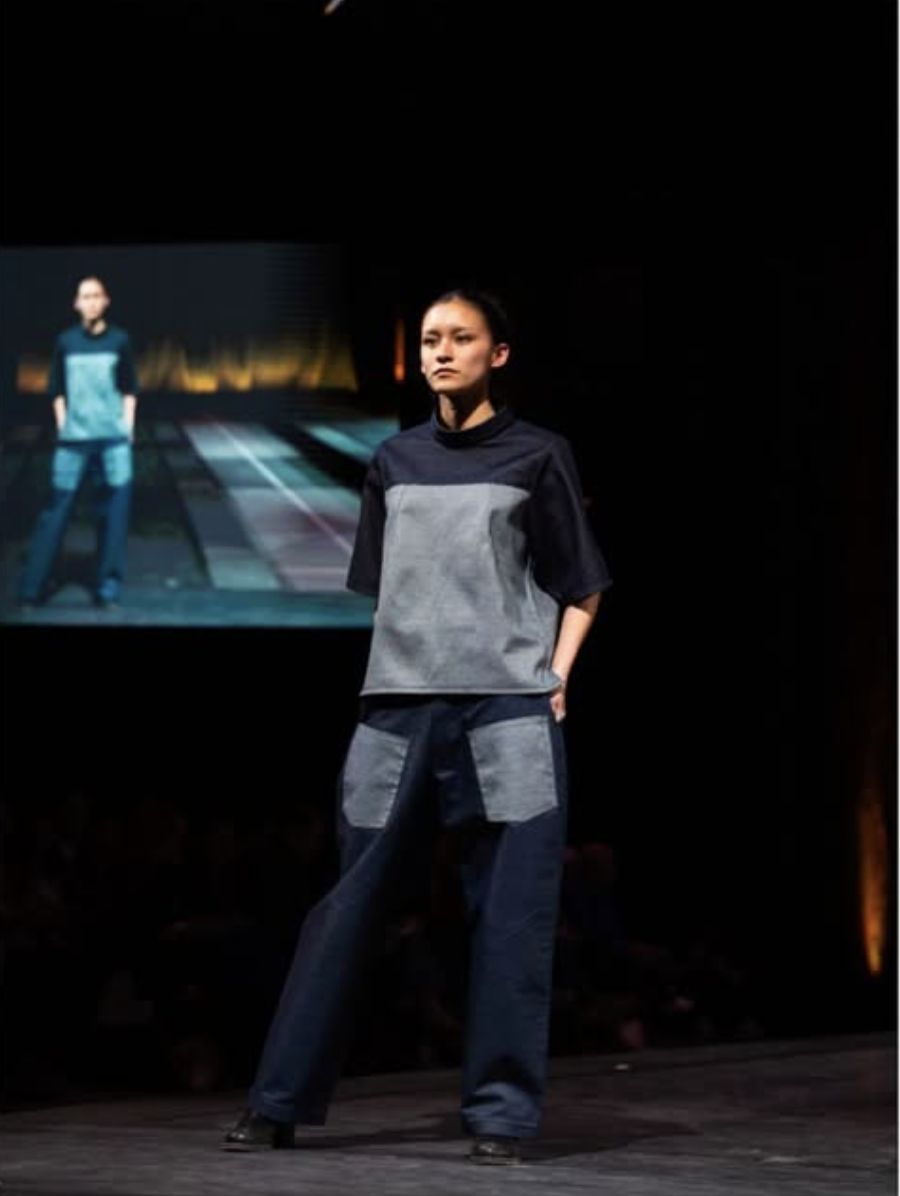
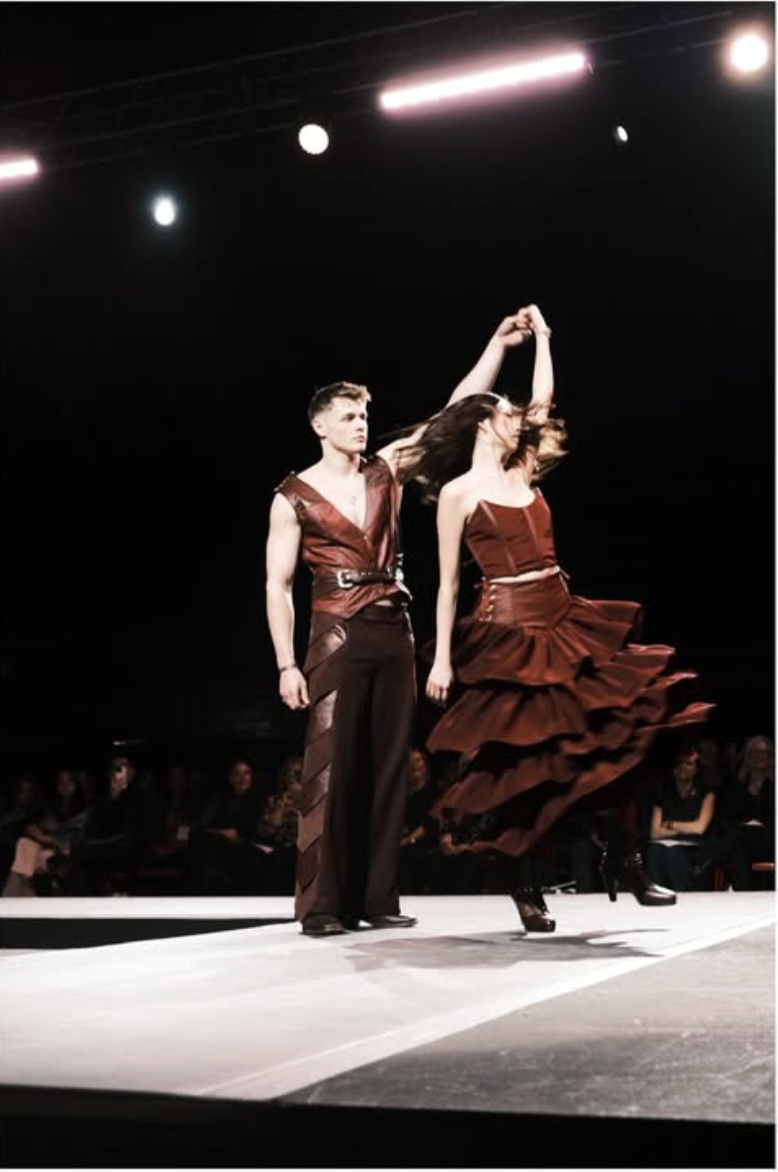
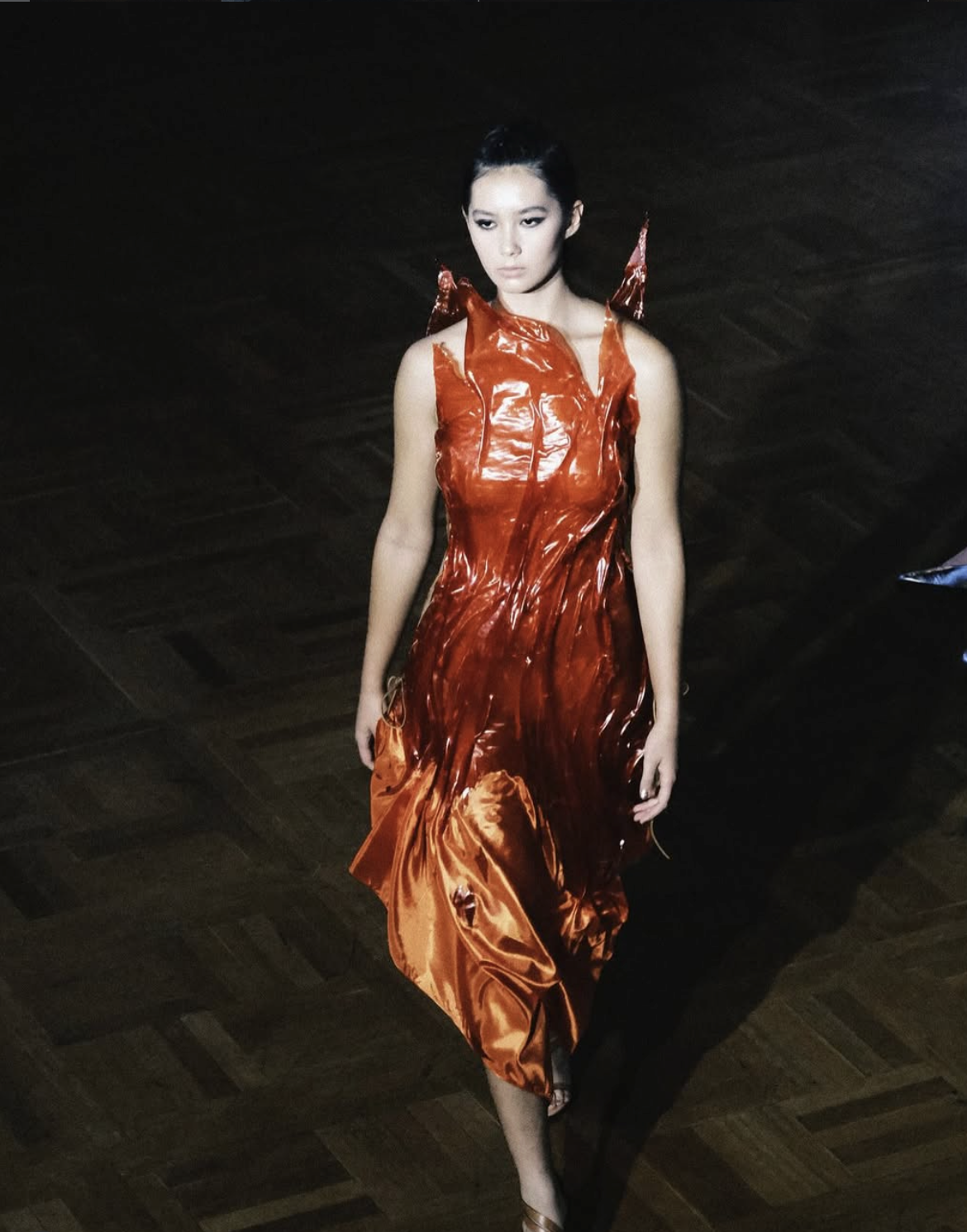
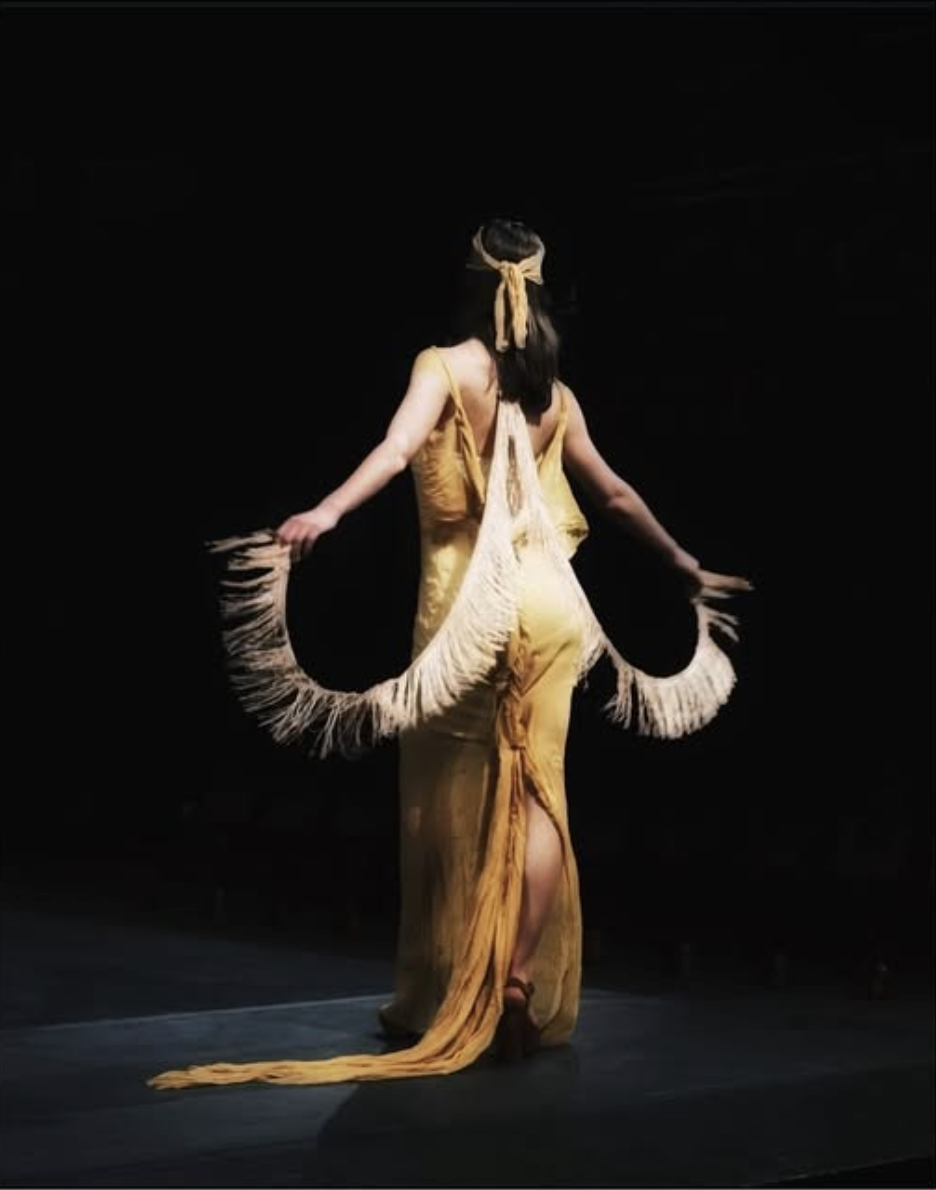
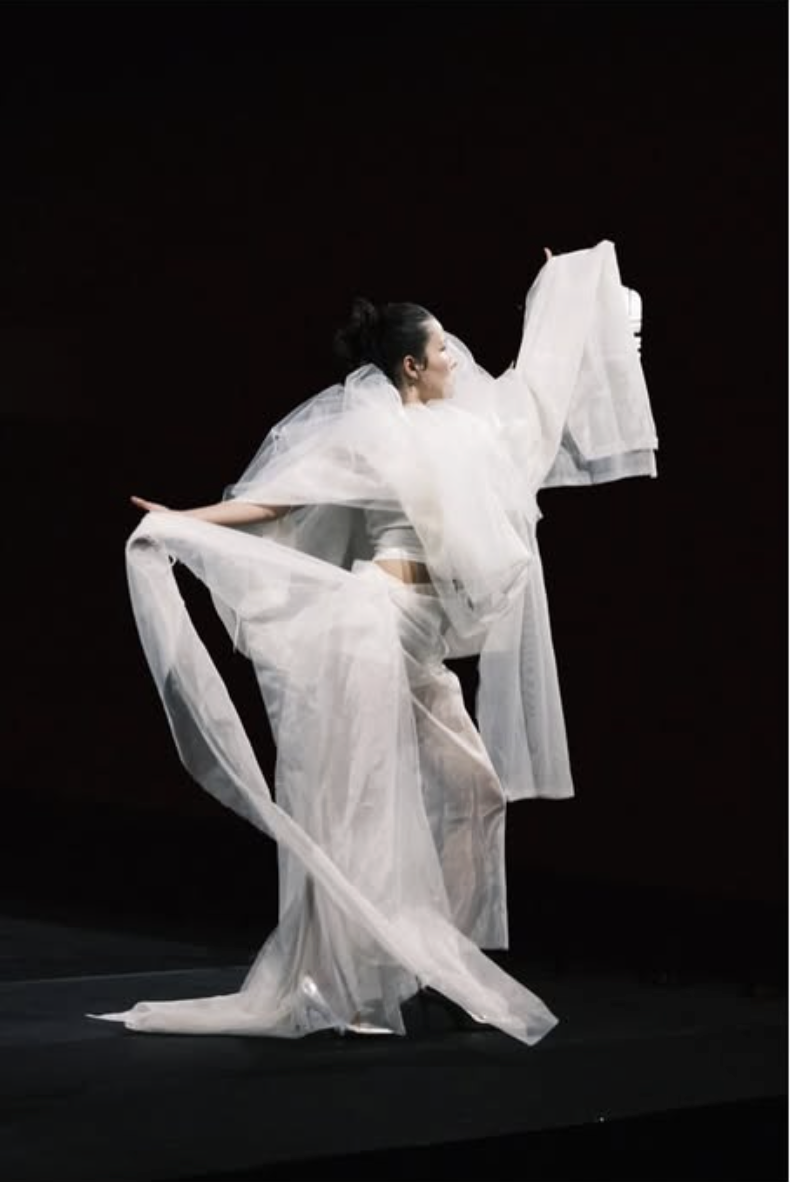
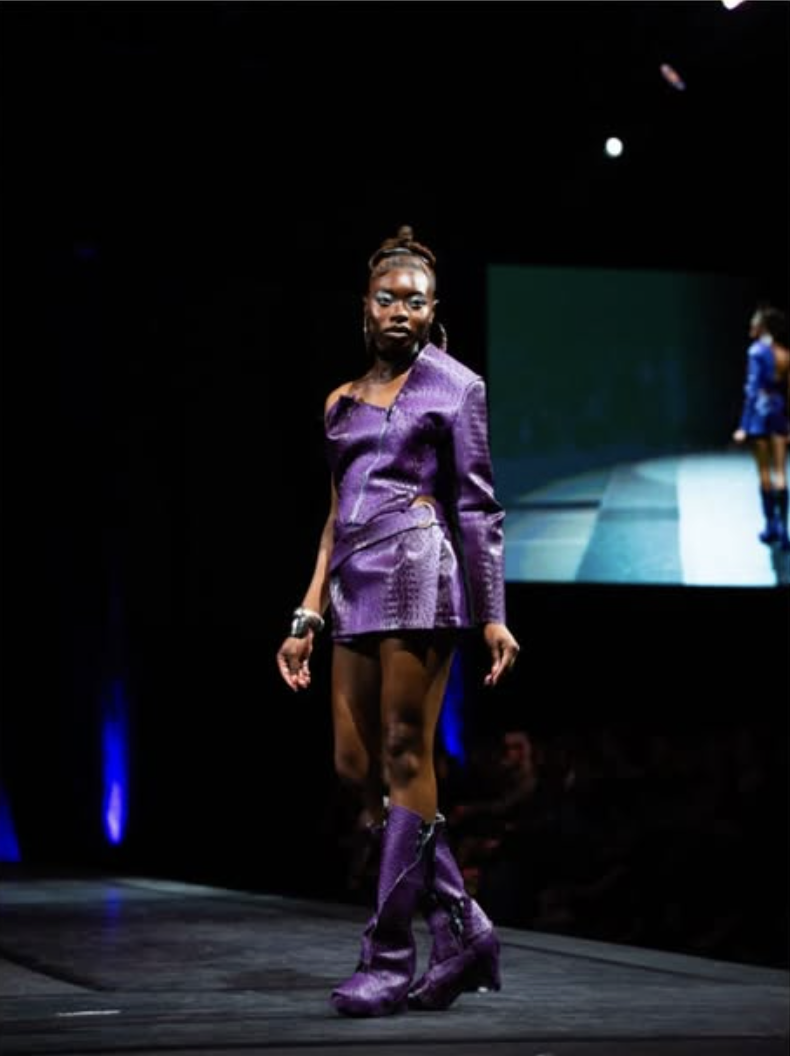
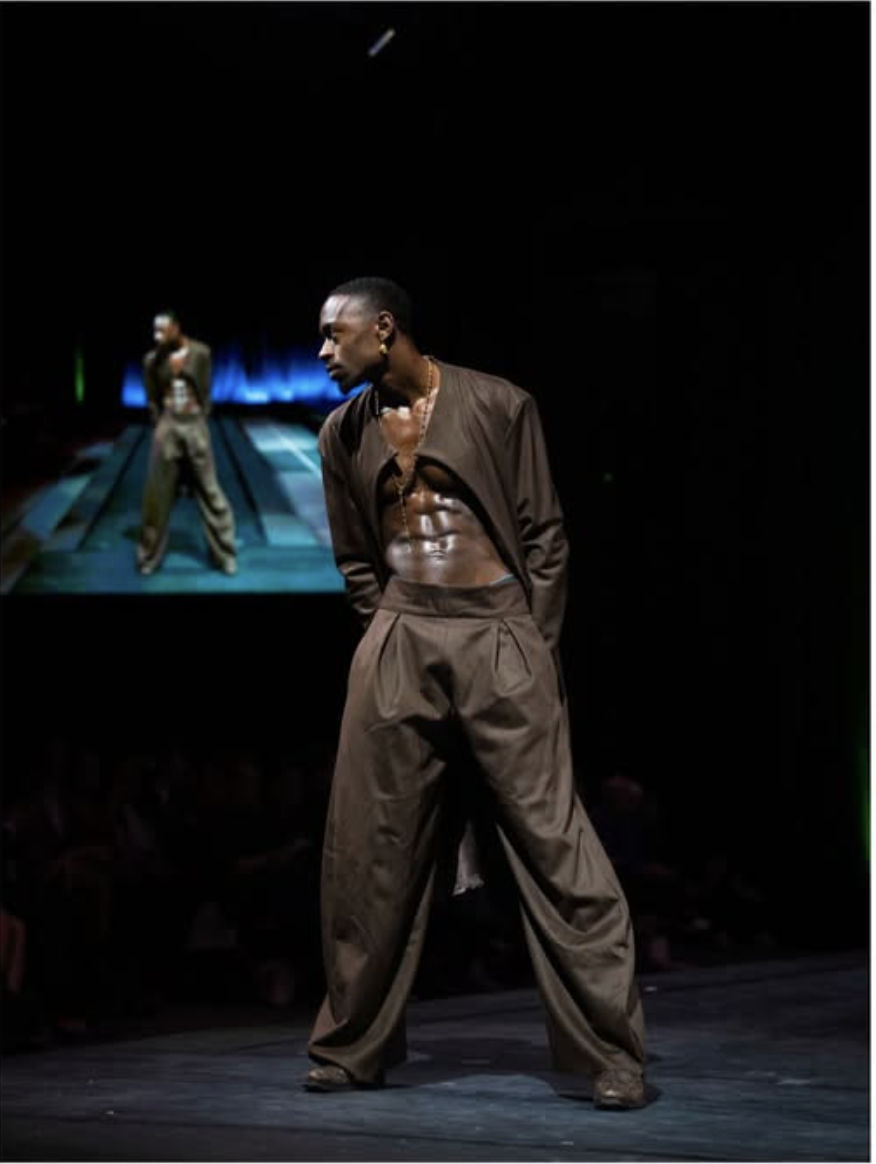
Since its founding in 1984, the Cornell Fashion Collective has seen remarkable growth. The organization began with two students who wanted a space to showcase their work and gain a broader platform. With little to no funding, the club’s first fashion show featured tables pushed together to form a runway. By 1993, the organization, then known as the Cornell Design League, had expanded rapidly. Its venue grew from a small room in Willard Straight Hall to the Great Room in Risley Hall. By the end of the decade, the club had grown so dramatically that the show moved again, this time to Barton Hall, where it filled the indoor stadium and sold out 2,000 to 3,000 tickets annually. As the club evolved, so did its runway. The Barton Hall stage was originally custom-designed by architecture students until the early 2010s, when the show had grown enough for BSI, a professional staging and lighting company, to take over stage design entirely.
Like many organizations, the Collective faced major challenges during the COVID-19 pandemic, which led to the loss of all ticket sales and brought it perilously close to disbanding. The following year, the live show was canceled, and designers chose to present their work through uploaded videos and photoshoots at Cornell Botanic Gardens, which was less exciting than the annual show. During the pandemic, the collective learned the power of social media and how to use it more earnestly. By 2022, the show had returned as a live event, though it was held outdoors in a tent on the Arts Quad. In 2023, CFC finally returned to its original format and venue, where it remains today. As the largest student-run fashion show in the nation, the Cornell Fashion Collective continues to prove that the show must go on. It remains a premier platform for students across Cornell to showcase their creativity, engage with the broader fashion world, and bring their work to the runway. With designers, creatives, and business operations members working together, the Collective continues to thrive as a strong and dynamic organization.